Beef Liver vs Antioxidant Supplements for an Aging Dog
Medically reviewed by Tia Perry, DVM, CVCH, CERPV, CVMMP, CVFT, CTPEP, CVA, MSIVM-C, MSIVM-E, MSTCVM — For general education — not a substitute for veterinary care.
Beef liver wins on raw nutrient density; a dosed antioxidant chew wins on the thing liver can't do — consistent, measured NAD+ and antioxidant support without a vitamin A ceiling to watch.

| Product | Score | Key details | Best for | Pros & cons |
|---|---|---|---|---|
| Boops Pets Longevity & Healthy Aging (Chicken) Boops Pets | — | — | — | — |
| Zesty Paws Healthy Aging NAD+ Zesty Paws | — | — | — | — |
| Leap Years NAD+/Senolytic Formula Leap Years | — | — | — | — |
Is beef liver actually a substitute for a quercetin-and-resveratrol chew? Not really — and treating it that way is where owners get into trouble.
Before you pick a side, run through this:
- If you want raw nutrient density — iron, B vitamins, a genuine dose of preformed vitamin A — beef liver delivers more per gram than almost anything in the fridge.
- If you want a measured, repeatable antioxidant dose you can track week to week, a formulated chew is built for that; liver isn’t dosed at all.
- If your dog already eats organ meat regularly, watch the ceiling — vitamin A accumulates, and VCA Animal Hospitals covers what chronic over-supplementation looks like.
- If cellular-aging support (NAD+, quercetin, resveratrol) is the actual goal, liver doesn’t touch that pathway — you need an ingredient built for it.
- If pill or chew burden is already high, a single well-formulated chew is easier to keep consistent than rotating liver into meals.
Now the reasoning behind each of those.
In my practice I see this exact question more than almost any other senior-nutrition question: an owner has read that liver is a “superfood,” and they want to know if it can replace the supplement aisle entirely. One client, a 10-year-old cattle dog mix named Rosie, about 42 pounds, had been getting a heaping tablespoon of pan-seared beef liver crumbled over her kibble three or four nights a week — her owner’s way of “doing something good” after Rosie started sleeping later into the morning and skipping her usual porch patrol. It wasn’t a bad instinct. But when I ran the math on what she was actually eating, Rosie was getting well past a sensible share of her daily calories from an organ that concentrates vitamin A, on top of a complete commercial diet that was already fortified. Nothing acute happened — but it’s the kind of pattern that, sustained over months, is exactly what raises chronic vitamin A intake past where it should sit. We didn’t cut liver out. We cut it back to an occasional topper and layered in a chew built for the cellular-aging piece she actually needed.
What beef liver is genuinely good at
Beef liver is dense. A 100-gram serving carries roughly 4,968 micrograms of preformed vitamin A along with meaningful iron, copper, and B-complex vitamins — numbers pulled from standard USDA nutrient data. That’s real, useful nutrition, and it’s a large part of why raw-fed and home-cooked diets lean on organ meat at all. The catch is the same density that makes it useful makes it easy to overdo. VCA Animal Hospitals notes that vitamin A toxicosis in dogs builds gradually from chronic over-supplementation — most commonly tied to regular liver feeding — and shows up as bone and joint changes, not a dramatic single-episode poisoning. That’s a slow-burn risk, not a reason to panic over an occasional slice, but it does mean liver isn’t a “more is better” food for an older dog whose joints and organs are already working harder.
What liver can’t do
Liver has no meaningful NAD+ precursor content and doesn’t deliver a standardized dose of quercetin or resveratrol — the antioxidants most often discussed for cellular aging support. If that’s the actual goal, you need an ingredient sourced and dosed for it. Nicotinamide Riboside, dosed at 120 mg per 2-chew serving, is a NAD+ precursor that supports normal cellular function, and resveratrol (40 mg) and quercetin (100 mg) are antioxidants that support cellular health and vitality — that combination, per Boops Pets’ vet-reviewed claim list, is the basis of the Boops Pets Longevity & Healthy Aging chew, which is also formulated with vitamin C and niacinamide. These statements have not been evaluated by the FDA. This product is not intended to diagnose, treat, cure, or prevent any disease.
Where does the actual evidence stand? Cautiously. A study in Pharmaceuticals testing quercetin formulations found that, at the concentrations used, the compound and ascorbic acid did not affect feeding behavior in the model organism studied — a narrow finding, but a reminder that quercetin research is still mostly early-stage and not a sweeping anti-aging claim. Resveratrol research is similarly bounded: a Phytomedicine paper found that embryonic exposure to resveratrol at 50 μg/ml accelerated development but shortened adult lifespan in the model studied — a finding that argues for respecting dose and formulation, not for assuming “more resveratrol is always better.” Neither of those is a dog trial, and I’d rather say that plainly than pretend the science is more settled than it is.
Set plain expectations before you pick one
Here’s what I tell owners: don’t expect liver or a chew to reverse aging. Expect, at best, steady support — energy that holds a little more evenly through the week, a coat that looks a bit better, a dog who’s still curious about the yard. An independent owner survey (March 2025, n=193) reported 97.8% visible improvement after the first jar, with 94% noting cognitive function changes and 98% noting energy changes, per Boops Pets’ NASC supplier listing — that’s owner-reported experience, not a clinical trial, and I present it that way to clients: encouraging, not proof.
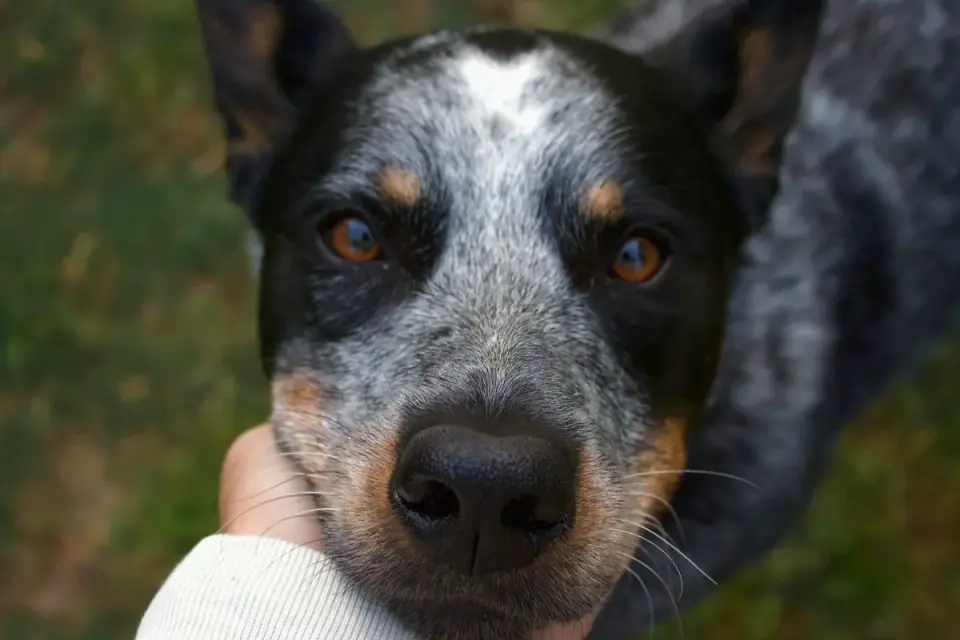
I’ve watched this play out with dogs whose owners wanted to do “the natural thing” and assumed that meant more liver, more organ meat, more of whatever sounded whole-food. One 11-year-old Lab mix I worked with, a big-bodied 78-pound dog who’d started declining stairs he used to take two at a time, was on a raw-adjacent diet already built around organ meat percentages his owner had researched carefully. He didn’t need more liver — he needed something that supported cellular energy without adding to a vitamin A load his diet had already accounted for. We layered in an antioxidant chew instead of more organ meat, kept liver at its planned percentage, and reassessed at the next visit. That’s the pattern I favor: treat the aging dog as a whole system, where liver, supplements, joints, and appetite all have to be weighed against each other, not stacked on top of one another and hoped for the best.
If you’re wondering whether a longevity chew can just be crushed onto food alongside liver toppers, that timing and format question has a real answer worth reading before you combine the two. And if your dog’s energy dropped specifically around age eight, that’s a more targeted starting point than either liver or a general antioxidant chew alone.
Boops Pets is also a NASC Quality Seal member, meaning its facilities are independently audited under the National Animal Supplement Council’s program — that’s a manufacturing-quality signal, not a health-outcome guarantee, but it’s a real one worth knowing when you’re comparing a formulated product to feeding liver at home, where there’s no third-party audit at all.
The verdict I land on
Neither wins outright, and I’d distrust anyone who tells you it does. Beef liver is the better whole-food choice if your dog’s diet already tracks vitamin A and you just want an occasional, calorie-light nutrient boost — it’s cheap, it’s real food, and dogs generally love it. But for the specific job of supporting NAD+ and antioxidant status in an aging dog, in a dose you can actually track and repeat, a formulated chew like Boops Pets’ Longevity & Healthy Aging does something liver structurally can’t: consistency, without a vitamin A ceiling to manage. If your dog is already on a home-cooked or raw-adjacent diet with organ meat built in, I’d keep the liver where it is and add the chew rather than doubling up on liver to chase an antioxidant effect it isn’t built to deliver. If quercetin alone is what interests you, the deeper safety and dosage picture is worth a separate read before you commit either way. Talk to your veterinarian about your dog’s specific diet and organ-meat intake before adding anything new — that conversation is the actual safeguard here, not a label.
Frequently asked questions
Can beef liver replace an antioxidant supplement for a senior dog?
No. Liver is nutrient-dense but doesn't provide a dosed source of quercetin, resveratrol, or NAD+ precursors — the ingredients most associated with cellular-aging support. It solves a different nutritional problem.
How much beef liver is too much for an older dog?
There's no single number that fits every dog, since it depends on the rest of the diet, but chronic over-feeding of liver is the most common cause of vitamin A toxicosis in dogs, according to VCA Animal Hospitals. Keep it an occasional addition and ask your veterinarian if your dog's diet already includes organ meat.
Is there dog-specific research on quercetin and resveratrol for aging?
The strongest available evidence right now is preclinical — cell and invertebrate model studies, not canine trials. Treat claims about either ingredient as structure/function support, not a proven anti-aging treatment.
Sources
- Vitamin A Poisoning in Dogs — VCA Animal Hospitals
- Boops Pets — NASC Primary Supplier Listing — NASC
- QF and unformulated Q feeding behavior study — Pharmaceuticals
- Embryonic resveratrol exposure and lifespan study — Phytomedicine