Best Low-Maintenance Dog Breeds for Busy People
Most owners who ask me for a low-maintenance dog are really asking for a low-exercise dog, and those aren't always the same animal.
On this page
A woman came into my clinic a few years back with a Boxer she’d adopted after her Border Collie died. She’d wanted “the same kind of easy dog,” and what she got instead was a 65-pound dog bouncing off her kitchen cabinets at 6 a.m. She wasn’t wrong that Boxers have short, wash-and-wear coats. She was wrong about what “low-maintenance” meant for her life, which was a quiet condo and a nine-to-six job. Coat care and exercise needs are not the same axis, and conflating them is the single most common mistake I see busy clients make when picking a breed.
What “low-maintenance” actually measures
I tell clients to break the question into three separate categories, because a dog can score low on one and high on another. Coat and grooming is the easiest to judge: short-haired breeds like Boxers, Vizslas, and Whippets need only occasional brushing, while double-coated or curly breeds need weekly to daily work regardless of size. The American Kennel Club lists breeds with minimal grooming needs specifically because coat type, not size or temperament, drives that workload.
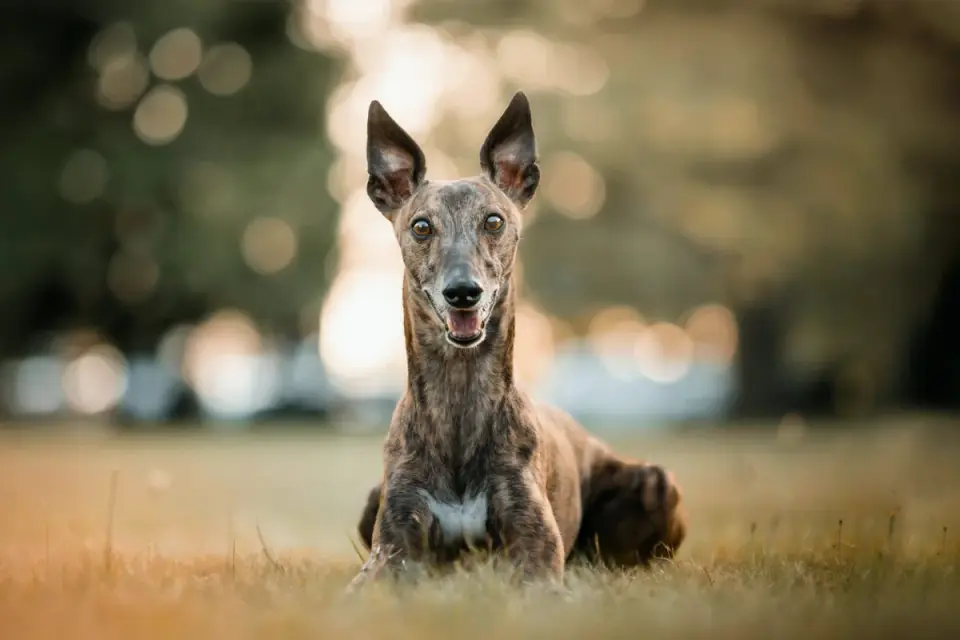
Exercise is the second category, and it’s the one most people actually mean when they say “easy dog.” A Greyhound is a good example of how counterintuitive this can be. According to Petfinder, Greyhounds are nicknamed the “40-mph couch potato” — built for short sprints rather than long runs, and content with a couple of brisk walks a day even with a racing background. French Bulldogs land in a similar bucket for a different reason: their short muzzles limit how much exertion and heat they can safely tolerate, so their exercise ceiling is naturally low. That’s a genuine trade-off, not a bonus — it comes bundled with brachycephalic airway risk that shapes how you exercise them at all, which I’ll get to.
The third category is temperament and trainability — independence, barking, and how much a dog needs from you emotionally, not just physically. This is where I see the most mismatches, because a dog can be physically easy and behaviorally exhausting, or the reverse.
The dog that’s easy on paper isn’t always easy in the house
One of the dogs I worked with for years was a 9-year-old female Whippet named Daisy, about 28 pounds, owned by a couple who both worked long hospital shifts. On paper she checked every low-maintenance box: short coat, moderate size, and according to her owners, happy to sleep 18 hours a day. What surprised them was how much she needed short, structured bursts of activity to stay settled — two 15-minute sprint sessions in a fenced yard did more for her behavior than an hour-long leash walk ever did. When her schedule slipped for a couple of weeks during a home renovation, she started shredding cardboard and pacing at night. Her coat care took five minutes a week. Her mental engagement needs did not shrink to match. That’s the piece owners researching “low-maintenance” almost never budget for, and it’s the piece that determines whether the arrangement actually holds up past the first six months.
Where brachycephalic breeds complicate the picture
French Bulldogs and other flat-faced breeds deserve a specific caveat, because their low exercise need isn’t a convenience feature — it’s a limitation with real veterinary weight behind it. Their airway anatomy makes it harder to move air efficiently, which is why they overheat faster and why vets generally recommend keeping walks to cool mornings or evenings and watching closely for labored breathing. If you’re drawn to a Frenchie because the exercise bar looks low, go in understanding that the bar is low because the dog’s body has real constraints, not because the breed is simply relaxed. That distinction matters for how you plan summer walks, travel, and even mild weight gain, since extra pounds make an already-taxed airway work harder.
Small size doesn’t automatically mean low-maintenance
I’d push back on the common assumption that small dogs are inherently easier. A Miniature Dachshund, for instance, needs only modest exercise to protect its long back from disc injury, but that same anatomy means jumping on and off furniture or stairs needs to be managed carefully for life — a very different kind of “maintenance” than a walk schedule. If long-term joint and spine health is on your radar for any small or aging dog, our guide on joint supplements for senior dogs covers what the evidence actually supports. And regardless of breed, appropriately calibrated activity matters more than raw duration — our physiology-first guide to exercise for small breeds walks through what “enough” looks like for a dog under 20 pounds.
The verdict: match the category to your actual constraint
If your real constraint is grooming time, short-coated breeds like Boxers, Vizslas, and Whippets are honest choices — brushing once a week is close to the ceiling of the work involved. If your constraint is exercise time or energy, sighthounds like Greyhounds and Whippets are genuinely lower-effort than their athletic build suggests, though they still need short, real exertion, not just a stroll. If your constraint is a brachycephalic breed’s exercise ceiling, go in with eyes open about the heat and airway trade-offs that come with it, and talk to your vet about weight management specifically because of that anatomy. No breed is low-maintenance across all three categories at once — pick the one that’s genuinely low on the axis that’s actually stretching you thin, and expect real, if smaller, effort on the other two.
Frequently asked questions
Are small dogs always lower-maintenance than large dogs?
Not necessarily. Size affects some things, like the volume of food or the space needed for exercise, but grooming workload is driven mostly by coat type, and some small breeds (like Dachshunds) carry their own specific physical constraints regardless of size.
Sources
- Dog Breeds With Minimal Grooming Needs — American Kennel Club
- Greyhound Dog Breed & Adoption Information — Petfinder