Gabapentin vs. Calming Chews for Dog Anxiety: When Each One Actually Fits
Medically reviewed by Cindy West, DVM, CVA, CVTP — For general education — not a substitute for veterinary care.
Gabapentin calms panic fast under a vet's care; calming chews build the everyday resilience most anxious dogs actually need.
On this page
| Product | Score | Key details | Best for | Pros & cons |
|---|---|---|---|---|
| Boops Pets Calming & Stress Relief Boops Pets | — | — | Daily, situational calming support for storms, travel, doorbells, and alone-time | — |
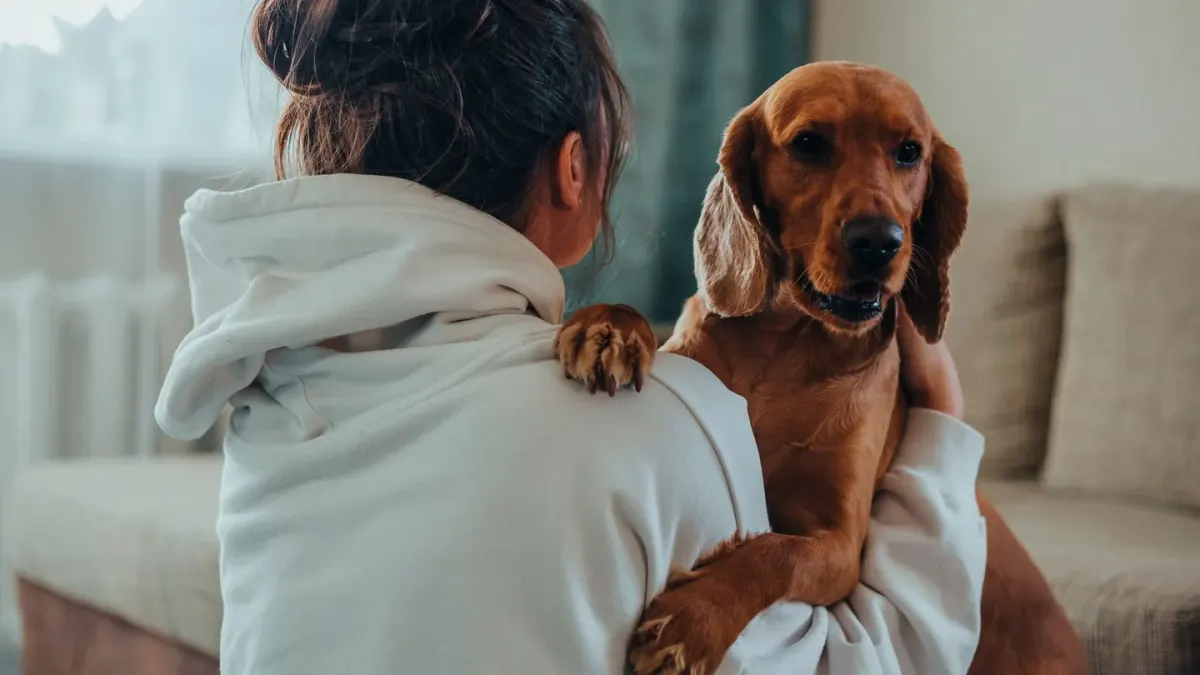
A twelve-year-old Cavalier King Charles Spaniel named Biscuit came into my practice last spring because her owner had started dreading the drive over. Fourteen pounds, arthritic in both hips, and terrified of the exam table — she’d pant and tremble the second the car turned onto our street, and by the time she hit the waiting room she was drooling and pressed flat against her owner’s legs. The owner had tried a calming chew from the pet store with no real change. That’s a fair test case for the question I get asked most: gabapentin or a calming chew — which one actually helps a dog like Biscuit?
The honest answer is that they are not competing for the same job. Gabapentin is a prescription anticonvulsant repurposed, off-label, for short-term situational fear. Calming chews are a daily-use category built around botanicals and amino acids with a much gentler, cumulative effect. Mixing them up — expecting a chew to blunt a vet-visit panic attack, or expecting gabapentin to build long-term resilience to thunderstorms — is where most owners get disappointed.
What Gabapentin Actually Does in an Anxious Dog’s Brain
Gabapentin was developed as an anticonvulsant, and it works by binding to a subunit of voltage-gated calcium channels in the central nervous system, which reduces the release of excitatory neurotransmitters. The practical effect is a dose-dependent calming and mild sedative action, not a specific anti-anxiety mechanism the way an SSRI works on serotonin. VCA Animal Hospitals describes it as a drug used off-label in dogs for chronic pain and anxiety, since it isn’t FDA-approved for veterinary use at all — every prescription is an off-label judgment call made by your vet.
That mechanism is exactly why gabapentin works so well for a single scary event and so poorly as a long-term anxiety plan. According to dvm360, vets commonly dose it the night before a stressful event and again one to two hours ahead of time — a car ride, a nail trim, a fireworks show — often alongside another sedative like trazodone. It blunts the nervous system broadly rather than teaching the dog’s baseline stress response to settle.
The Pattern I See Most in Practice
In TCVM terms, a dog like Biscuit reads as Liver Qi stagnation with an underlying Kidney deficiency — the trembling, the panting, the freezing are all Qi that has nowhere to go, sitting on top of an aging body that no longer has the reserves to self-regulate. I don’t expect every owner to care about the pattern language, but it changes what I recommend. A Liver-stagnation presentation responds to things that keep Qi moving steadily — acupuncture, a predictable routine, and ingredients that support the body’s normal stress response over weeks, not a single blunt sedative dose. A dog in acute crisis, mid-panic on the exam table, needs something faster and stronger first. Both things can be true for the same dog at different moments, which is exactly the trade-off owners are usually trying to sort out when they ask me this question.
Where Chamomile, Ashwagandha, and L-Theanine Fit the Same Problem
This is where Boops Pets Calming & Stress Relief chews are the product I reach for first, not because they replace gabapentin, but because most of the anxiety I see in exam rooms is the everyday kind — the thunderstorm dog, the car-ride dog, the doorbell dog — not the kind that needs a controlled substance. The formula combines KSM-66 Ashwagandha, L-Theanine, L-Tryptophan, Valerian Root, Chamomile, ginger, magnesium, and a modest 5 mg of melatonin per serving, and each of the headline actives has real research behind it, even if that research is early-stage.
A systematic review in Cureus found that ashwagandha has a moderate positive impact on stress reduction and cognitive performance across multiple randomized controlled trials — human data, but consistent with why Boops’ vet-reviewed claim list describes the chew as containing “a clinically studied form of Ashwagandha for stress support.” L-theanine has a narrower human evidence base; a review in Molecular Psychiatry noted a meaningful effect in one study on psychotic anxiety at 400 mg/day over eight weeks, which is a specific and limited finding, not a blanket claim about dogs. Chamomile’s evidence is thinner still — a review in Biomedicines notes that “for the remaining species, evidence is derived mainly from preclinical studies or traditional use,” which is an honest way of saying chamomile’s calming reputation in dogs rests more on tradition than trial data right now.
None of that makes the chew a substitute for a prescription in a genuine crisis. It does mean it’s a reasonable everyday tool, and the company backs the batch with real quality controls: Boops is a NASC Primary Supplier Member, which means the facility is independently audited under the National Animal Supplement Council’s quality program, and every batch is third-party tested for purity and potency.
Gabapentin’s Real Trade-Offs
Sedation and ataxia are the two side effects I warn every owner about before they leave with a gabapentin prescription. A review of gabapentin’s clinical use and pharmacokinetics in PMC: Gabapentin: Clinical Use and Pharmacokinetics in Dogs, Cats, and Horses confirms what most of us see clinically: sedation and wobbliness are common, doses above roughly 30 mg/kg raise the odds of noticeable sedation, and older dogs or dogs with kidney disease clear the drug more slowly and need closer dosing supervision, since gabapentin is renally excreted.
It also requires a veterinary visit and a prescription every time, which matters more than owners expect. A refill takes a phone call and often a recheck. A chew is on the shelf. For dogs with mild-to-moderate situational stress — the vast majority of the anxious dogs I see — that access difference alone tips a lot of owners toward trying the chew first and reserving gabapentin for the events that genuinely warrant it.
There’s a longer conversation worth having before either option, too, and it starts before the appointment: our guide on preparing your dog for a vet visit to reduce fear covers the handling and desensitization work that often shrinks how much medication a dog needs in the first place.
Matching the Tool to the Trigger
I worked with a rescued Shepherd mix, roughly sixty pounds and about four years old, whose owner described weekly meltdowns during afternoon thunderstorms — pacing the hallway, drooling on the hardwood, trying to wedge himself into the bathtub. We started him on the calming chew two weeks before storm season typically ramped up, paired with a predictable evening wind-down routine, and by the third storm his owner said he was pacing less and settling into the tub instead of clawing at it. That’s one dog’s experience, not a study result, but it’s the pattern I see most often with a mild-to-moderate storm phobia: steady daily use plus routine, not a single dose chasing the thunder after it’s already started.
Contrast that with a dog who has one specific, severe trigger — a fear of the vet clinic itself, or a dog who has never tolerated car travel without vomiting or panicking. That’s a gabapentin conversation with your vet, sometimes alongside behavior modification, because the goal is getting through one identifiable event safely rather than shifting a baseline temperament. If travel-specific nausea is part of the picture rather than pure fear, it’s worth ruling out motion sickness separately, since the two can look identical from the driver’s seat and need different management. Chamomile and valerian root, in particular, have a long history in traditional herbal care for supporting relaxation, and our deeper comparison of chamomile and l-tryptophan walks through how those two ingredients complement each other inside a chew like this one. For owners who want a non-oral option to layer alongside either approach, our Thundershirt versus oral calming aid comparison is worth a read too.
What I Recommend, and Why
Biscuit’s owner and I ended up using both, at different points. Gabapentin, dosed by our clinic, got her through the vet visits themselves — thirty minutes of manageable calm instead of full-body panic on the table. The calming chew became her daily routine at home, alongside a set feeding and walk schedule that gave her nervous system less to react to. Eight weeks in, her owner described her as noticeably less clingy in the evenings and no longer pacing before bedtime. Again, that’s a single dog’s response, not a clinical outcome, but it’s the combination I land on most often for dogs with both a chronic low hum of anxiety and specific dreaded events.
For the everyday, cumulative kind of anxious dog — the one who’s tense at the doorbell, wound up before car rides, or unsettled during travel — I recommend starting with Boops Pets Calming & Stress Relief chews and giving the routine two to three weeks to show its effect before judging it. This is situational calming support, not a treatment for a diagnosed anxiety disorder, and the fastest way to get more from either tool is to pair it with a predictable wind-down instead of expecting the ingredient to do all the work. For a dog in genuine crisis — surgery days, an unavoidable flight, a documented phobia that hasn’t responded to anything gentler — gabapentin belongs in the conversation, and that conversation belongs with your veterinarian, not a supplement aisle. Our broader guide to dog calming chews is a good next stop if you’re trying to figure out which stage your own dog is in.
These statements have not been evaluated by the FDA. This product is not intended to diagnose, treat, cure, or prevent any disease.
Frequently asked questions
Can I give my dog gabapentin and a calming chew on the same day?
Sometimes, but only under your veterinarian's direction — combining sedating ingredients can add up, and your vet needs to know everything your dog is taking, including supplements, before a dosing day.
Sources
- Gabapentin — VCA Animal Hospitals
- The use of gabapentin to help manage anxiety in dogs — dvm360
- Gabapentin: Clinical Use and Pharmacokinetics in Dogs, Cats, and Horses — PMC
- Ashwagandha for Stress Reduction and Cognitive Performance: A Systematic Review of RCTs — Cureus
- Anxiolytic Effects of L-Theanine: A Systematic Review — Molecular Psychiatry
- Preclinical and Traditional Evidence for Calming Botanicals in Companion Animals — Biomedicines
- NASC Primary Suppliers: Boops Pets — NASC