
On this page
Many owners assume all airlines follow the same pet rules. They do not.
Each airline sets its own limits for weight, carrier size, breed, fees, and where your dog can ride. Those rules also change by route, season, and aircraft. The only safe baseline is to read the airline’s current policy page before you enter payment details.
Here is the checklist I give clients. Run through it in order, then read below for how to apply each step.
The 7-point pre-booking check
- Confirm where your dog would ride: in-cabin, checked baggage, or cargo
- Check weight, age, breed, and snub-nosed restrictions
- Measure your carrier against that airline and that aircraft
- Note number limits: pets per passenger and pets per flight
- List required health documents and timing windows
- Confirm fees, refund rules, and how to add your dog to the reservation
- Screen for route and seasonal embargoes
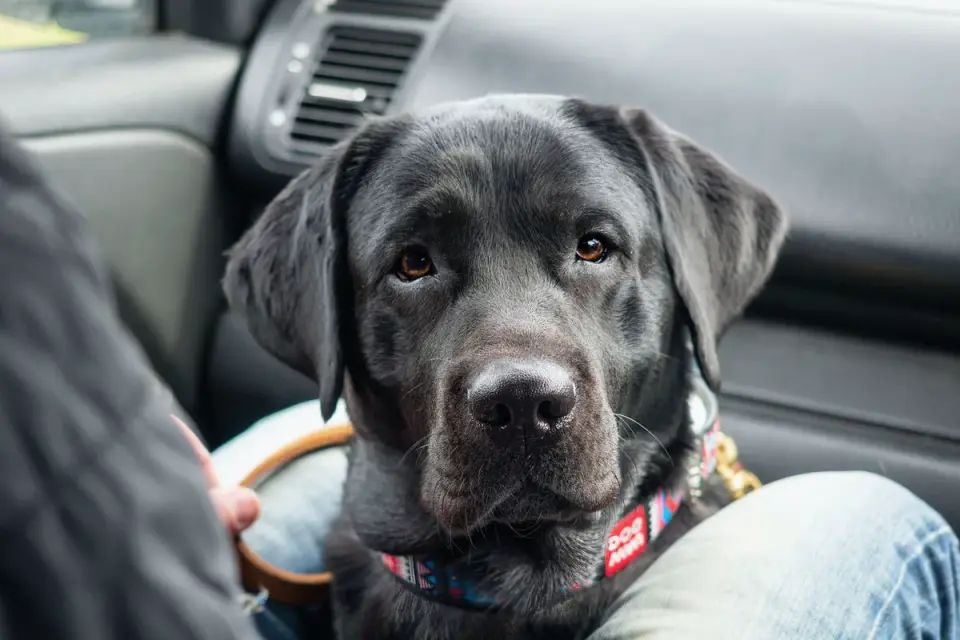
She was a 6-year-old spayed Labrador, 68 pounds, calm in her crate at home and nervous in new buildings. Her owner wanted her in the cabin for a two-hour domestic flight because it felt safer. That choice shaped everything else. At 68 pounds she was well over every U.S. airline’s in-cabin weight limit, which usually caps around 15 to 20 pounds including the carrier. The owner had also hoped to buy a larger soft carrier to make her comfortable. That would have failed the under-seat fit test on a regional jet. Once we named the constraint — she could only fly as checked baggage or cargo, if at all — we could finally compare airlines honestly instead of shopping for the lowest fare.
Start With Where Your Dog Would Ride
This is the decision that filters everything else.
Most U.S. airlines allow only small dogs in the cabin. Your dog must stay in a closed carrier under the seat in front of you for the whole flight. If your dog cannot stand, turn, and lie down comfortably in that space, that airline is not a fit for that route.
Larger dogs may travel as checked baggage or via a separate cargo operation. Some airlines have paused those options entirely. Others allow them only on certain aircraft or only through a contracted shipper.
What to read on the airline page
Look for three separate sections. In-cabin, checked, and cargo often live on different pages with different phone numbers. Save or print each page with the date. I also recommend checking the U.S. Department of Transportation overview of air travel with pets, which explains how airline policies interact with federal consumer rules.
For a fuller walkthrough of cabin versus hold travel, see How to Fly With a Dog: The Complete Guide.
Confirm Size, Breed, and Flight Limits
Airlines screen dogs on details owners often miss.
Check the minimum age, often 8 to 16 weeks for domestic in-cabin travel and older for cargo or international routes. Check snub-nosed breed restrictions. Many airlines embargo Bulldogs, Pugs, Shih Tzus, and mixes on hot routes because of breathing risk. Weight means dog plus carrier, not dog alone.
Then check capacity. Most airlines limit the number of in-cabin pets per flight, often two to six, and one carrier per passenger. That is why calling matters.
He learned this the hard way three weeks in advance of a holiday trip with a 4-year-old, 12-pound Cavalier mix who fit the cabin rules perfectly on paper. He booked a cheap nonrefundable ticket first, then read the pet policy. His outbound flight still had in-cabin pet space. The return did not. The airline could not add the dog, and changing the ticket cost more than the original fare. By day 10 before departure he was calling every airline with availability and re-doing health paperwork on a shorter timeline. The tradeoff was clear: booking fast saved $120, then cost $380 and a week of stress. Reserve the pet spot before you pay for your seat.
Measure the Carrier for That Aircraft
Do not trust a carrier labeled airline-approved.
Airlines publish maximum carrier dimensions, and they vary by aircraft type. A carrier that fits under a wide-body seat may not fit under a regional jet seat on the same itinerary. Measure length, width, and height yourself. Soft-sided carriers can compress slightly. Rigid carriers cannot.
Practice matters more than the tape measure. Your dog should walk in willingly, turn around, and settle for 60 to 90 minutes with the door closed. Low-stress handling at home prevents panic at the airport.
Security screening adds another step. You will remove your dog from the carrier and carry or walk them through screening while the empty carrier goes through X-ray. Review the current TSA guidance for traveling with pets so you can plan leash handling and a backup hold.
List Documents, Fees, and Timing Windows
Paperwork is where trips fall apart.
For domestic flights, most airlines require a health certificate issued within 10 days of travel, plus proof of rabies vaccination. International trips add import permits, microchip verification, titer tests, and endorsement steps that can take weeks to months. Start with USDA APHIS to identify the destination country’s current entry requirements, then match those against your airline’s deadlines.
Call the airline and confirm four things. The total pet fee each way. Whether the fee is refundable if the pet spot is denied. Whether you add the dog online, by phone, or at the airport. And what triggers a denied boarding, such as an oversized carrier or an anxious dog that cannot settle.
Keep feeding and medication routines stable around travel. If you are reviewing supplements in the same window, How Soon Before Surgery Should You Stop a Dog’s Longevity Supplement? shows why timing and veterinary sign-off matter, even though travel is lower risk than surgery.
Watch for the Edge Cases That Change the Answer
The last check is the route itself.
A 9-year-old, 18-pound terrier mix did well on direct morning flights. His owner found a cheaper connecting itinerary through a hot-climate hub with a three-hour layover in July. That routing triggered two separate problems: a seasonal heat embargo on one leg and a change of aircraft with smaller under-seat space on the second. By day 10 of crate practice the dog was settling well, which made the itinerary the limiting factor, not behavior. We switched to a nonstop on a different airline with a confirmed in-cabin reservation, even though the fare was higher. The lesson I keep repeating: the right airline for your neighbor’s route may be the wrong airline for yours.
Codeshares complicate this further. The marketing airline’s pet page may not control. The operating airline’s rules apply on that leg.
You deserve a boring travel day. That comes from verification, not luck.
If you confirm the ride type, fit, documents, fees, and route limits before booking — and get the pet reservation in writing — you protect both your wallet and your dog’s welfare. I would rather you switch airlines now than argue policy at the counter later.
Frequently asked questions
Should I book my ticket first and add my dog later?
No. Confirm in-cabin space or cargo acceptance and get the pet reservation confirmed before you pay for your own ticket, since pet spots per flight are limited.
What health paperwork do airlines usually require for dogs?
Most domestic flights require proof of rabies vaccination and a health certificate issued within 10 days, while international trips may add microchip, titer, and permit requirements.
Why was my dog denied boarding even though I followed the rules?
Common reasons include an oversized carrier for that aircraft, exceeding weight limits for dog plus carrier, missing timing windows on health certificates, or a full pet quota on that flight.
Sources
- Air Travel with Pets — U.S. Department of Transportation
- Pet Travel — USDA APHIS