
It was raining sideways, and the 11-year-old beagle came in shaking, belly speckled and feet caked. Her person stood in the hallway with a roll of paper towels, worried about the oak and worried about her. She had slipped twice last winter on that same stretch, and every new scuff felt like a choice between a clean floor and a comfortable dog. We let her settle on a bath mat with a biscuit while the worst of the mud dried. That small pause set the pattern for everything that follows: protect the dog’s footing and joints first, protect the finish second, and the prints take care of themselves.
Dry mud is kinder to both of you.
Let the mud wait a little
Wet mud smears when it is wiped. Dry soil releases. For finished wood, that difference matters, because grit rubbed across a finish leaves fine scratches that collect dirt later.
When you come inside, guide your dog onto a washable mat or rug and give the paws 20 to 30 minutes to air-dry if you can. Brush loose soil from the coat outdoors first, then lift the dried crumbs with a soft broom or a vacuum with a hard-floor head. The National Wood Flooring Association maintains care guidance for keeping finishes free of abrasive grit, which is the same principle at work here.
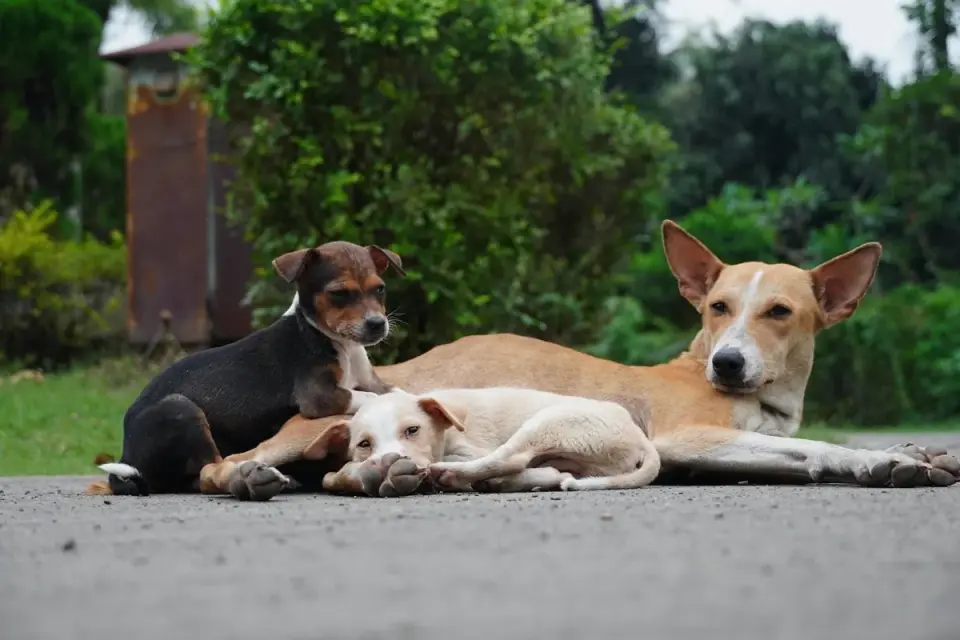
For paws, plain warm water and a soft cloth are usually enough. The American Kennel Club describes checking between the toes for packed mud and debris during routine paw cleaning, and that pause is also a good time to look for redness, cracked pads, or a small thorn. Pat dry rather than rubbing, especially with older dogs whose skin tears more easily.
A friend with a young spaniel learned the other way. After three rainy walks in one Saturday, she mopped each trail while it was still wet, going over the same boards with a damp flat mop and a citrus cleaner. By evening the hallway looked cloudy, the mop head was brown, and her dog was dodging the mop and sliding at the turn. She had worked hard and the floor looked worse. Abrasive soil plus extra water plus fragrance had tired them both, and the finish held the haze for weeks.
What the wood will forgive, and what it will not
Most sealed hardwood tolerates a barely damp microfiber mop. It does not tolerate standing water, steam, vinegar soaks, or oil soaps used heavily. Water can swell board edges and turn a small print into a cupped seam. Steam can dull finish. Strong cleaners can leave film that shows every next print more clearly.
Use this order. Vacuum or sweep first. Then wipe the print area with a well-wrung microfiber pad dampened with water or a pH-neutral hardwood cleaner made for your finish. Work with the grain, rinse the pad often, and dry the spot with a second cloth. If you live with a dog who runs hard between outings, the same washable-mat thinking in The Best Mat for a Messy Dog’s Feeding Station: What to Look For helps by the door: contain the mess where footing is steady, then clean a small zone well.
For very active dogs, mud season often means more baths, more toweling, and more calories burned in play. If appetite and weight shift, this note on Adjusting Portions for a Very Active Dog can help you keep meals steady while the routine stays messy.
The doorway habit that does most of the work
Prevention here is not perfection. It is a short, repeatable landing.
Keep a low-pile, washable runner from door to hallway, a basket with two or three soft towels, and a shallow paw-washing cup only if your dog accepts it calmly. Towel the feet with gentle pressure, then release to the rug to finish drying. Trim the hair between toe tufts when it collects mud clods, and keep nails at a length that lets the pads meet the floor. VCA Hospitals notes that routine pad checks and gentle care may help support comfort and traction, which matters as much for a wobbly senior as it does for the floor.
The last story bends the rule. A 68-pound senior with stiff hips could not stand on a mat for long, and lifting each foot triggered shifting and worry. His person stopped asking for a full paw wash at the door. Instead she laid a second runner to his bed, let him lie down, and cleaned one foot at a time with a warm cloth while he rested, checking pads as she went. The prints farther down the hall waited until morning. Comfort set the pace, and the wood was fine with waiting.
If prints remain after dry soil is lifted, clean that small area lightly and dry it. If boards stay hazy, sticky, or dark at the seams, or if water sat for hours, ask a flooring professional before sanding or recoating. And if paws stay red, swollen, limpy, or chewed after mud exposure, call your veterinarian rather than reaching for stronger cleaners on skin.
Frequently asked questions
Should I wipe muddy paw prints while they are still wet?
Usually no. Let mud dry on a mat, sweep or vacuum the grit, then wipe lightly with a well-wrung mop. Wiping wet mud spreads grit that can scratch the finish.
What cleaner is safest for hardwood with dogs in the home?
A barely damp microfiber pad with water or a pH-neutral hardwood cleaner matched to your finish. Avoid standing water, steam, vinegar soaks, and heavy oil soaps, and dry the area after.
How do I keep paw cleaning calm for a senior dog?
Let the dog lie down on a rug, clean one foot at a time with a warm cloth, pat dry, and check pads for redness or debris. Short, seated care protects balance and skin.
Sources
- How to Clean Dogs' Paws — American Kennel Club
- Home — National Wood Flooring Association