On this page
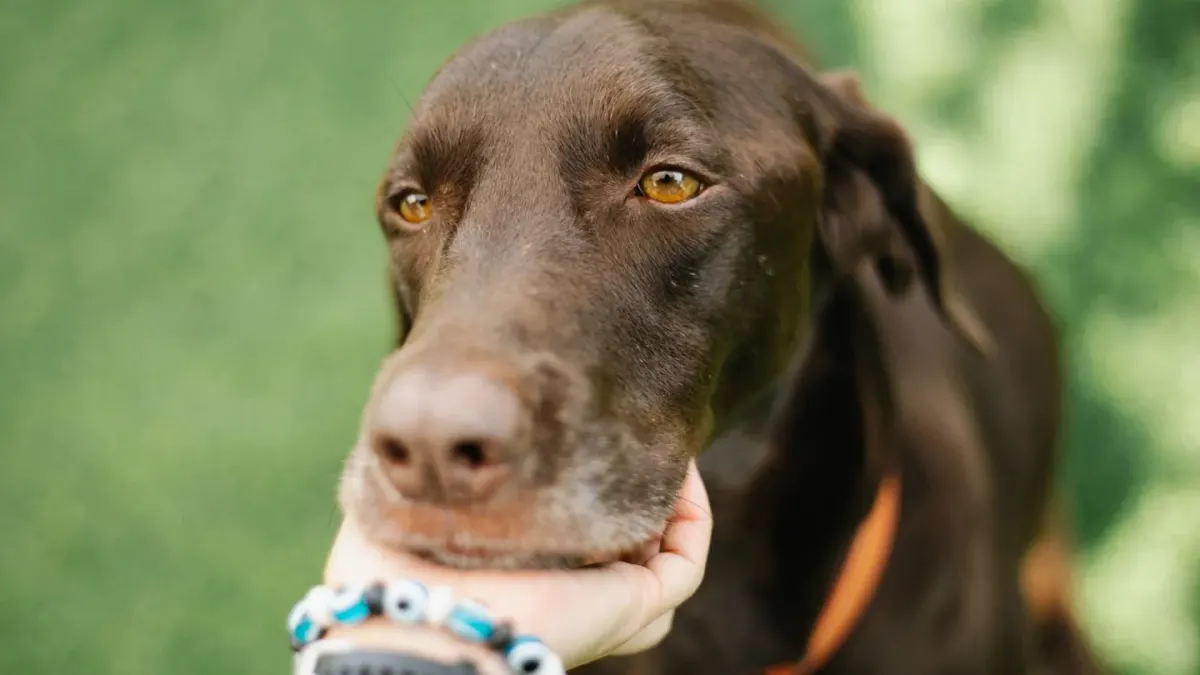
She slept through dinner again, and you stood in the kitchen wondering whether to wake her. Your 11-year-old Labrador, 68 pounds and thinner than she was in October, had come home after three weeks of tests, fluids, and hand-feeding at the hospital. The discharge sheet said rest, small meals, recheck in ten days. It did not say how quiet the house would feel, or how much you would worry about doing the wrong thing.
That worry makes sense. After a long illness, dogs lose conditioning, appetite rhythm, and confidence in the day. My recommendation is comfort-first and deliberately slow. We rebuild one predictable loop of rest, food, water, brief movement, and sleep, and we let medications and rechecks fit inside that loop, not the other way around. The strongest counterargument is to push normalcy fast, to get walks and feeding back to baseline so muscle returns. I understand that urge, and deconditioning is real, but rushing often creates nausea, pain flares, and setbacks that cost more days than patience does.
Let the first week be smaller than you think
Think in terms of energy budget. A dog recovering from weeks of illness has less to spend, and everything draws from the same account, digestion, a short walk, a bath, visitors. If you spend it all by noon, the evening looks like panting, restlessness, or refusal to eat.
Keep the footprint small. One resting place on the main floor, water nearby, a non-slip path to the door for potty breaks. The American Veterinary Medical Association reminds owners that basic needs, shelter, rest, water, and attentive observation, matter more than activity in early recovery. I keep that list taped in my mind for week one.
Meals work best as small, frequent, and boring. Offer about one-quarter to one-third of the usual meal, wait, and watch. If your veterinarian has prescribed a recovery or bland diet, stay with it until the recheck rather than adding toppers to tempt her. For dogs that changed foods during illness, the guidance in What to Do After Successfully Switching Your Dog’s Food is useful here, hold steady, watch stool and appetite for several days, and do not stack new changes.
By day 10, most families can see a pattern, which mornings are brighter, whether evening medications cause drowsiness, where accidents happen. Write it down. That simple log becomes the map for what to expand next.
When trying harder backfires
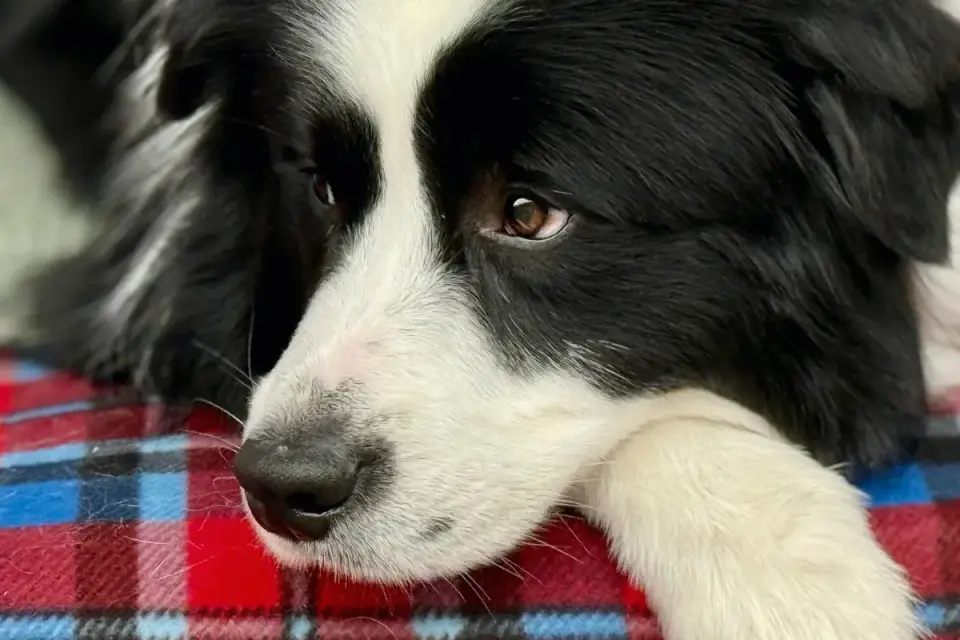
He was a 9-year-old, 42-pound border collie mix, two weeks home after pneumonia that had kept him hospitalized for six days. His family was devoted and exhausted. On a sunny Saturday, by day 12 at home, they decided he looked bored and took him for his old mile loop, then offered a full bowl plus leftover chicken to celebrate. He ate eagerly, panted all evening, vomited at midnight, and refused food the next morning. They called, frightened they had undone everything.
We had not lost ground, but we had spent too much at once. We went back to ten-minute sniff walks on flat ground, split meals into four small portions, and moved his evening medication an hour earlier so nausea did not overlap with bedtime. Within three days his appetite steadied. The lesson I carry from cases like his is that appetite is not permission. Willingness in the moment does not mean the gut and muscles are ready for the full load, and one joyful overreach can look like relapse.
Add back the day in layers, not all at once
Once rest and food feel steady for three to four days, add one layer at a time.
Movement comes before exercise. Short, leashed potty walks with time to sniff may help support circulation and mood without taxing healing tissue. Watch the recovery after, not just the walk itself. If breathing, lameness, or fatigue takes more than an hour to settle, that outing was too much. The Merck Veterinary Manual offers owner-facing guidance on monitoring rest, breathing, and activity after illness, which I find helpful for calibrating this stage.
Sleep deserves protection. Dogs healing from prolonged disease often sleep 16 to 18 hours, and fragmented sleep slows everything. Keep nights dark and quiet, keep daytime naps undisturbed, and cluster care tasks so you are not waking her every hour. If you live with other dogs, review what actually keeps the peace in Best Dog Breeds for a Multi-Dog Household: What Actually Predicts Peace, because space, resources, and rest predict calm more than breed alone.
Grooming and handling should stay minimal. A warm wipe-down matters more than a bath. If touch causes tension, note where and tell your veterinarian. Pain may be quiet, reduced appetite, shallow breathing, reluctance to lie on one side. The American Animal Hospital Association pain guidelines describe these subtle behavioral shifts, and they are worth reading with fresh eyes after a long illness.
The edge case no one warns you about
She was a 14-year-old, 19-pound miniature poodle, eight weeks out from a severe kidney infection that had left her weak but stable. Her labs were improving, yet every evening around 7 p.m. she paced, whined, and refused her bed. The family assumed pain. What we found, by tracking for a week, was sundown restlessness layered on top of a new evening routine, bright kitchen lights, a loud television, and a late medication that caused mild nausea right at bedtime.
We changed the environment, not the dose. Dinner moved thirty minutes earlier, medication moved with a small snack as approved, lights dimmed at 6, and a familiar blanket went into a low-sided bed near the family. Within five evenings, pacing shortened from forty minutes to less than ten. Older dogs, dogs with cognitive change, and dogs sensitive to sound can struggle less with disease itself than with the sensory load around recovery. When evenings unravel, look at light, noise, hunger, and timing before you assume decline.
What a steady new normal looks like
By weeks three to four, most recovering dogs do best with a written rhythm you can repeat without thinking.
Morning, potty on leash, water, small breakfast, medications as labeled, then rest. Midday, brief potty break and a few minutes of gentle presence, not play. Evening, small dinner, short sniff walk if energy allows, medications, then a calm wind-down. Keep treats small and counted within the day’s food. Keep visitors brief.
Call your veterinarian sooner if you see labored breathing, repeated vomiting, no water for more than 12 hours, no eating for more than 24 hours, fever, collapse, uncontrolled pain, or a wound that changes quickly. Trust your sense of her baseline. You now know her better than any chart does.
Recovery asks for restraint from us, too. Your job is not to return her to who she was before. Your job is to make each day legible and comfortable enough that her body can do its slow work. That steadiness is treatment of its own kind.
Frequently asked questions
How long does it take for a dog's routine to feel normal after a long illness?
Many dogs need two to six weeks to settle, and seniors often need longer. Look for steady appetite, restful sleep, and faster recovery after short activity across several days, rather than one good day.
Should I encourage my dog to eat more to regain weight?
Small, frequent meals are usually better tolerated than large ones. Follow your veterinarian's feeding plan and report vomiting, diarrhea, or refusal lasting more than a day before adding new foods or supplements.
When can walks return to full length?
Add time in five to ten minute increments only if breathing, lameness, and energy settle within an hour afterward. If your dog needs prolonged rest after an outing, shorten the next one and check in with your veterinarian.
Sources
- Caring for Pets — American Veterinary Medical Association
- Dog Owners Overview — Merck Veterinary Manual
- 2022 AAHA Pain Management Guidelines for Dogs and Cats — American Animal Hospital Association