
On this page
She stands by the door at dusk and looks back at you, and you feel the worry rise because there is no garden to open. I see that moment often in families who love their dogs deeply and live in flats or terraces without outdoor space. The question is rarely about love. It is about whether comfort and a good life are still possible within four walls.
They are, when the home learns to do what a garden once did. My recommendation is steady and narrow: build the day around predictable toileting, short movement often, and protected rest. That rhythm may help support calm behavior and quality of life far more than one long outing. The strongest counterargument is that dogs need open space to be dogs, and there is truth in it. Yet what most dogs miss without a garden is not square footage. It is choice, sniffing, and relief on time.
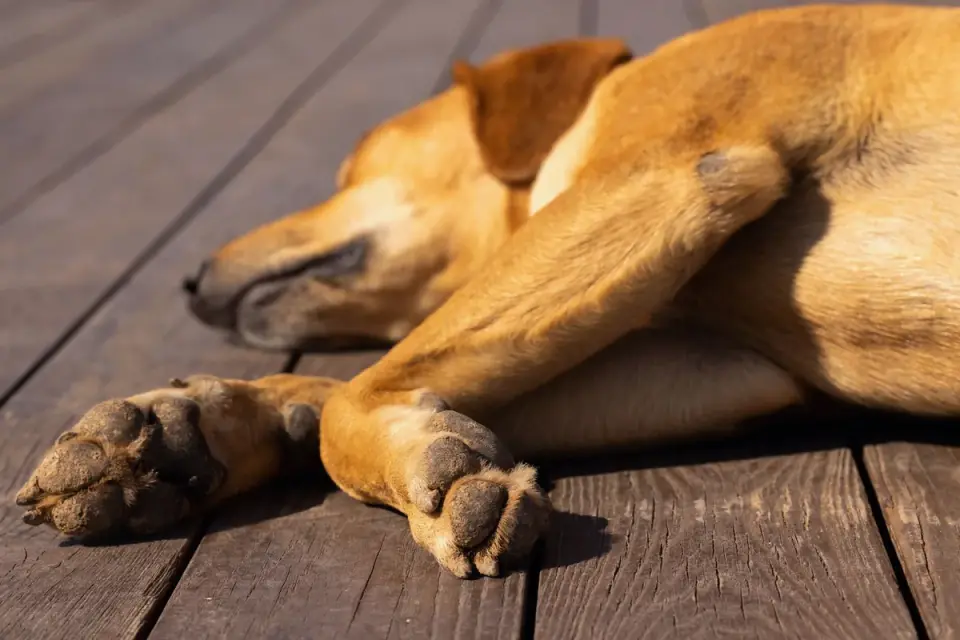
She was a nine-year-old mixed-breed, 38 pounds, stiff in the mornings and slow on stairs, living with her family in a second-floor flat after a move left them with no garden and a shared hallway that felt too public for a shy dog. Her people worried she was holding urine too long overnight and pacing near the door by 5 a.m., and they weighed whether to rehome her to a house with a yard. We kept her home and rebuilt the day instead, with a late-night toilet walk at 10 p.m., a quiet morning outing before breakfast, and a low-sided bed near the radiator where she could stretch her hips. By day 10 her pacing had eased and she was sleeping through until 6 a.m., and the family could see that timing mattered more than territory.
Let relief come first, then everything else
Take the dog out to toilet on schedule, not on signs. Offer a morning break within thirty minutes of waking, a midday break, an evening break, and a short last outing. Keep the route familiar and unhurried. Let sniffing finish before you turn home.
For older dogs and puppies, shorten the interval. Watch for circling, restlessness, or going to the door. Clean indoor accidents without scolding and adjust timing the next day. The American Veterinary Medical Association outlines basic dog care needs around housing, toileting, and preventive care that fit this routine well.
Comfort is the measure.
Keep a leash, bags, and a towel by the door so leaving is easy in rain or cold. If stairs are hard, ask your veterinarian about joint support and a lift harness. If the street feels unsafe at night, choose a lit loop and carry a light.
Walk little and often
Divide movement into two or three short walks rather than one exhausting march. Walk at the dog’s pace. Pause for sniffs. End before fatigue shows as lagging, panting that does not settle, or lying down.
The ASPCA notes that daily exercise, mental enrichment, and consistent care shape behavior at home, which matches what I see when frequent short outings replace restless evenings. Guidance from American Kennel Club also reminds owners to match exercise to age, breed, and health rather than a single rule.
He was a three-year-old herding mix, 45 pounds, bright and busy, living in a one-bedroom flat while his owner worked long shifts and tried to make it up with a single two-hour run every Sunday in the park. By Tuesday he was chewing skirting boards and herding the vacuum, and by Thursday he barked at every hallway sound, and the owner feared a garden was the only fix. We traded the weekend marathon for twenty-minute morning and evening walks with sniff time, plus a ten-minute midday toilet loop from a dog walker and a stuffed chew after dinner. Within three weeks the chewing lessened and his sleep settled, though hallway barking still needed training, which showed that rhythm steadies the body but does not replace teaching.
Practical help for high-energy temperaments can be found in notes on understanding herding-breed instincts in a family home, and families still choosing a dog for small spaces may find context in best dog breeds for apartment living.
Make the indoors work harder
Feed in the same quiet spot. Place water where the dog does not have to cross a slippery floor. Offer one firm resting place away from foot traffic, with bedding that supports elbows and hips. Keep the room cool and dim at night.
Add scent and thought without clutter. Scatter part of dinner for foraging. Rotate two toys, not ten. Teach a settle on a mat in five-minute sessions. Rest between play matters as much as play, especially for seniors.
Households with more than one dog should protect separate resting corners and separate feeding space, a point echoed in advice on best dog breeds for a multi-dog household.
The edge case that changes the plan
She was a thirteen-year-old dachshund, 14 pounds, with a weak bladder and nighttime leaking that began about three weeks in after the family moved to a ground-floor flat with concrete outside and no grass nearby. Her people worried the hard surface was the problem and considered paper pads alone, which left her restless and damp by morning. We added a washable pad near the door for emergencies, kept the late walk short and on grass two streets away, and asked the veterinarian to check for urinary infection and kidney change. The vet visit mattered most. Once medical causes were addressed, the pad became backup rather than the plan, and her bedding stayed dry longer through the night.
For very old dogs, small breed differences, and slipped-disc risk, it helps to review size and home fit in standard vs miniature dachshund.
Keep expectations honest. Some days will still feel tight. A rainy week, a missed walker, a lift out of service. Return to the same order when life slips: relief, movement, food, rest. That order holds comfort in place when space cannot.
Frequently asked questions
How often should a dog without a garden go outside to toilet?
Most adult dogs do well with three to four toilet outings daily, including first thing in the morning and last thing at night. Puppies, seniors, and dogs with medical issues often need shorter intervals.
Can a high-energy dog be happy in a flat with no garden?
Many can, when movement is split into short daily walks with sniffing and mental enrichment. Breed temperament, age, and health matter more than floor area alone.
What if my senior dog struggles with stairs to get outside?
Keep outings short and predictable, use a non-slip route, and ask your veterinarian about pain assessment, mobility aids, and toileting adjustments.
Sources
- Dog Care — American Veterinary Medical Association
- General Dog Care — ASPCA