Pembroke vs Cardigan Welsh Corgi: The Differences That Actually Matter
Pembroke vs Cardigan Welsh Corgi comes down to tail, size, and which inherited health risks you're willing to screen for.
On this page
Quick answer, before the detail: if you want the dog with the tail, the slightly heavier bone, and a lower published rate of degenerative myelopathy, that’s the Cardigan. If you want the smaller, more common breed with a deeper gene pool of working lines and a tail that’s usually docked or naturally bobbed, that’s the Pembroke. Both are herding dogs bred to nip at cattle heels, not lapdogs that happen to have short legs, and both carry real orthopedic and neurologic risks that a decision this size deserves to know upfront.
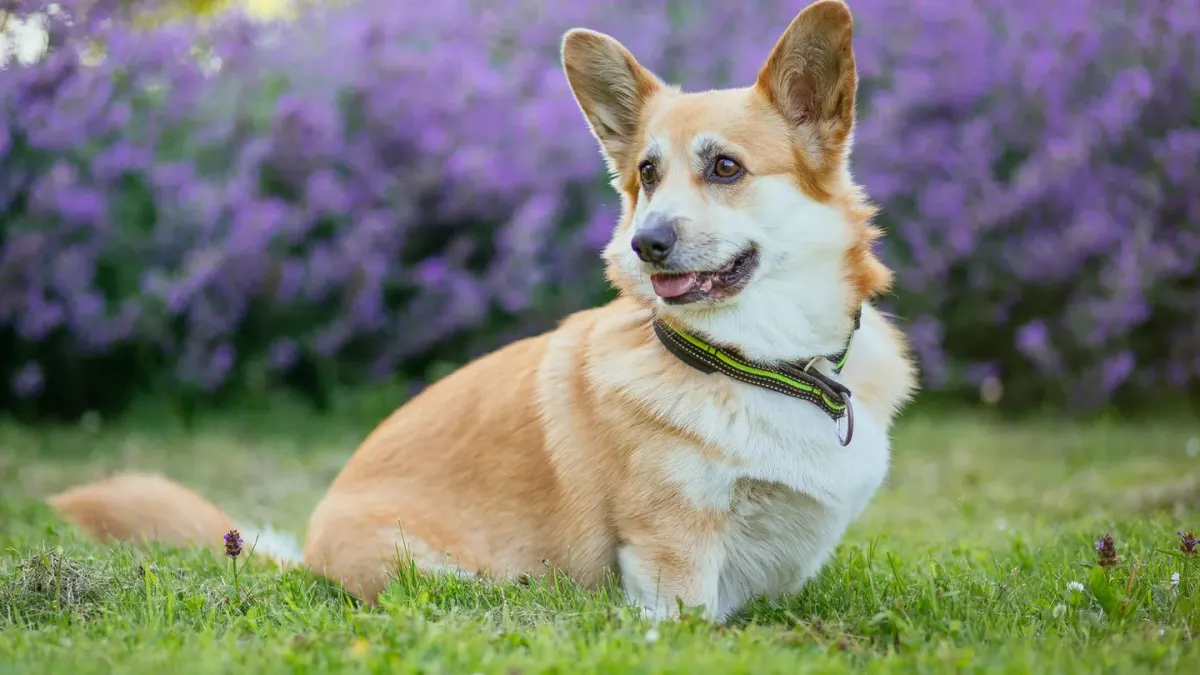
- Tail: Cardigans keep a long, fox-like tail. Pembrokes are usually born with a naturally bobbed tail or docked short.
- Size: Cardigans run larger and heavier-boned — up to 38 pounds for males — versus a Pembroke standard capped at 30 pounds.
- Ears: Cardigans have larger, rounded ears; Pembroke ears are smaller and more pointed.
- Body length: Cardigans are noticeably longer through the spine relative to height, which matters for back health.
- Degenerative myelopathy risk: both carry the SOD1 risk mutation, but published Pembroke prevalence is higher, and DNA testing is available for both.
- Temperament on paper: Pembrokes trend more food-motivated and biddable; Cardigans trend more independent and reserved with strangers — both are generalizations with real exceptions.
the dog on the exam table isn’t the breed standard
I had a Cardigan named Butter come into my exam room a few years back — nine years old, 34 pounds, a barrel-chested tri-color with a tail he swept across the floor whenever a treat came out. His owner had brought him in because he’d started hesitating before jumping onto the tailgate of her truck, something he’d done without a second thought for years. She’d assumed it was just age. It wasn’t nothing — but it also wasn’t degenerative myelopathy, which is what she’d read about at 2 a.m. and was bracing for. It was early hip changes, manageable with weight control and a ramp. I bring this up because owners often walk in already scared of the wrong disease. Knowing which corgi you have, and which risks are actually elevated in that dog, changes what you watch for and when you screen.
where the two breeds actually diverge
Pembroke and Cardigan Welsh Corgis are not the same breed with a grooming difference — they developed separately in Wales and were only classified as distinct breeds by the American Kennel Club: AKC in 1934. The Cardigan is the older of the two, believed to descend from dachshund-type dogs brought to Wales over a thousand years ago, while the Pembroke’s ancestry is thought to trace to Nordic spitz-type dogs. That history shows up in the standard: Cardigans stand 10½ to 12½ inches at the withers with males reaching 30 to 38 pounds, while Pembrokes top out at 12 inches and 30 pounds for males, 28 for females. The Cardigan’s tail is left natural and full; the Pembroke’s is typically docked short or naturally bobbed. Ear shape is the other quick tell — rounder and larger on the Cardigan, smaller and more upright-pointed on the Pembroke.
None of that is trivia. A longer spine on a heavier-boned dog changes the math on back injury risk, and a docked tail versus a full one changes how clearly the dog can communicate mood to strangers, kids, and other dogs — worth knowing if you’re choosing a breed for a household with young children, similar to the size-and-routine tradeoffs I walk through in Best Dog Breeds for Apartment Living: What Actually Matters.
the back and the spine, not just the tail
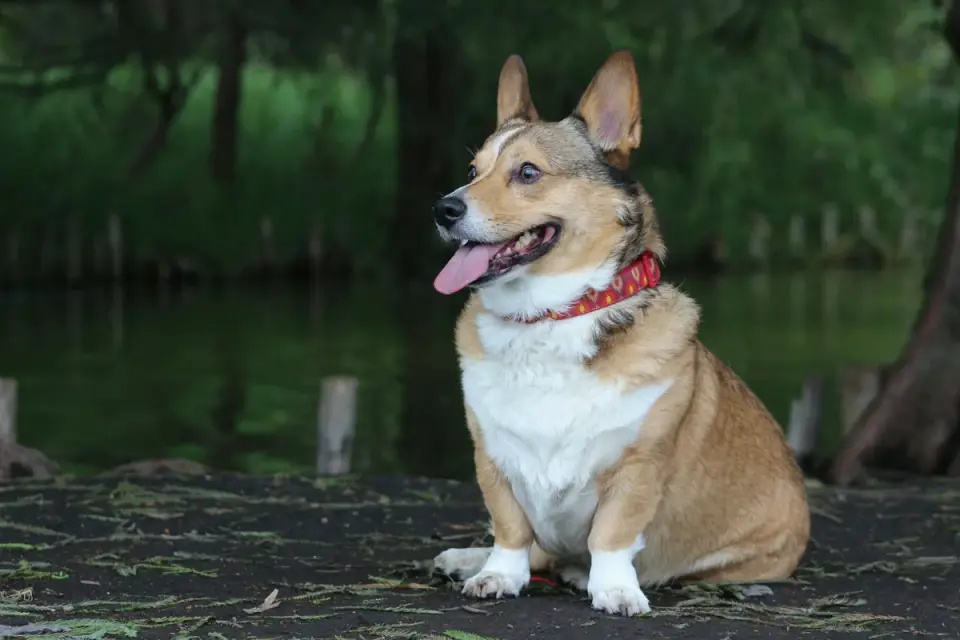
Both breeds share the achondroplastic build — short legs on a long torso — that makes them recognizable and also puts real load on the spine. Intervertebral disc disease, IVDD, is a documented concern in both, and the Cardigan Welsh Corgi Health Foundation tracks it as one of the breed’s priority research areas, noting that the chondrodystrophic body type itself is the underlying risk factor. That’s the trade-off nobody puts on the adoption flyer: the exact build that makes both breeds so recognizable is the one that predisposes them to disc herniation, most often in the mid-to-lower back. Keeping a corgi lean is not cosmetic advice here — it’s spine protection, and it’s the single most controllable variable an owner has.
Where the two breeds part ways is degenerative myelopathy, a separate and unrelated disease that owners frequently confuse with IVDD because both can present as hind-end weakness. DM is a slow, adult-onset neurodegenerative condition tied to a mutation in the SOD1 gene, and the OFA maintains DNA testing and a registry for it across both corgi breeds. In Pembrokes specifically, the mutant allele frequency has been measured as high as roughly 70% in some populations, though — and this matters — carrying two copies of the mutation does not guarantee a dog will develop clinical disease; DM appears to require additional genetic and possibly environmental factors, and actual diagnosed prevalence sits closer to one in 167 Pembrokes in the UC-Davis breed survey. The Pembroke Welsh Corgi Club of America recommends genetic testing before breeding for exactly this reason — it’s a risk marker, not a diagnosis.
I’ve watched an owner walk out of my clinic in tears after a positive at-risk DM test result on a two-year-old Pembroke, convinced her dog had a death sentence. She hadn’t been told the distinction between genetic risk and clinical onset, and nobody had explained that most at-risk dogs live full lives without ever developing signs, or that onset — when it happens — usually isn’t until eight to ten years of age. That conversation, more than the test result itself, is what she needed walking in the door.
temperament, exercise, and the dog you’ll actually live with
On paper, Pembrokes are described as more outgoing and eager to please, which tracks with their heavier use in AKC herding and agility competition; Cardigans are often described as more reserved with strangers and slightly more independent-minded, a trait that shows up as stubbornness during training if you’re not consistent. Both need real daily exercise — twenty to thirty minutes of purposeful activity, not just a yard to wander — and both are prone to weight gain if that doesn’t happen, which loops straight back to spine health. If you’re weighing a corgi against other options for a first dog, the temperament tradeoffs I cover in Best Dog Breeds for First-Time Owners: What Actually Predicts Success apply almost directly here: a herding breed with opinions is not a low-effort dog, regardless of leg length.
where I land
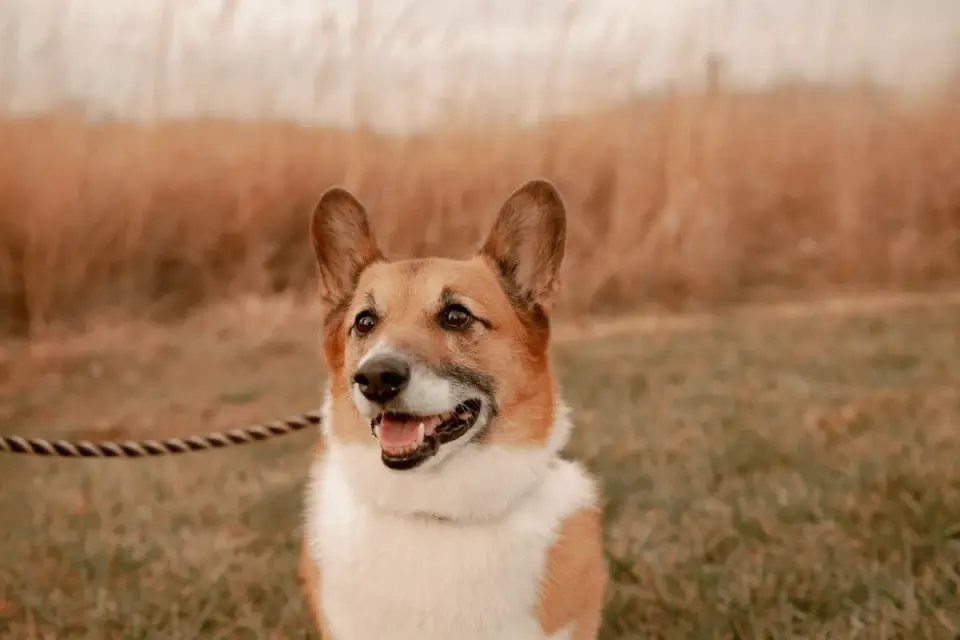
If a family asks me flat out which one to get, I ask what they actually care about first. If it’s the classic corgi silhouette people picture — no tail, food-driven, slightly easier to find a breeder for — that’s the Pembroke, and it’s the more numerous breed by a wide margin, which matters for both litter availability and rescue access. If it’s the fuller-bodied, tailed dog with a somewhat lower documented rate of clinical DM and a build that reads a little less “cartoon,” that’s the Cardigan, and you should expect a longer breeder wait. What I won’t do is tell a family the health risks are a wash. They’re related but distinct: IVDD tracks with body shape in both breeds equally, while DM prevalence currently looks meaningfully higher in Pembrokes in the data we have. Ask any breeder — Pembroke or Cardigan — for OFA hip results and DM genetic testing on the parents before you commit, and budget for keeping the dog lean for the next twelve to fifteen years. That’s not a hedge. That’s the actual job.
Frequently asked questions
Is a Cardigan Welsh Corgi bigger than a Pembroke?
Yes. Cardigan males can reach up to 38 pounds with a slightly taller, longer-bodied frame, while the Pembroke standard caps males at 30 pounds.
Do Cardigan Welsh Corgis have tails?
Yes, Cardigans keep a long, natural tail. Pembrokes are typically born with a naturally bobbed tail or have it docked short.
Which corgi breed is at higher risk for degenerative myelopathy?
Published data shows a higher mutant allele frequency in Pembroke Welsh Corgis, though both breeds can carry the SOD1 mutation and both should be DNA tested before breeding.
Sources
- The Cardigan Welsh Corgi vs. the Pembroke Welsh Corgi — American Kennel Club
- IVDD — Cardigan Welsh Corgi Health Foundation
- Degenerative Myelopathy — OFA
- Canine Degenerative Myelopathy and Genetic Testing in PWCs — Pembroke Welsh Corgi Club of America