
On this page
Watch for early signs your dog is too hot or too cold at home before discomfort turns into risk.
It is a quiet evening and the worry is small but persistent. Your 11-year-old, 62-pound Lab mix has moved off his bed to the kitchen tile for the third evening in a row. He pants softly even though the house is still. His water bowl is half empty by bedtime. You wonder if he is warm, sore, restless, or simply aging. That question about comfort is the right place to start. How he breathes, where he chooses to rest, and how his body feels to your hand will tell you more than the thermostat setting.
What too warm looks like when nothing seems urgent
Indoors, heat stress often starts subtly. Look for panting at rest, damp drool, warm ears and paw pads, restlessness, and a dog who follows cool surfaces from tile to doorway. Some dogs drink more and play less. Appetite may dip on warm days, a pattern discussed in Does Your Dog Need Less Food in Hot Weather?.
Offer fresh, cool water. Move the bed out of sun and away from vents. Close blinds in the warmest room. Invite him to a cooler floor. Keep walks and play gentle until breathing settles.
Rest matters more than reassurance in that moment.
Panting that does not ease, thick drool, bright red gums, vomiting, stumbling, or collapse can signal heatstroke, which VCA Hospitals describes as an emergency that needs prompt veterinary care. Senior dogs, flat-faced breeds, puppies, and dogs with heart or breathing disease carry less reserve.
What too chilly looks like when the house feels fine to you
Cold discomfort is easy to miss because many dogs simply go quiet. Look for shivering, curling tight with nose tucked under tail, cold ears and feet, seeking blankets or heat vents, reluctance to get up, or asking to be covered. Short-coated, small, very young, and older dogs lose heat faster.
Feel ears and paws with the back of your hand. Notice posture and energy. Offer a draft-free bed with a washable blanket. Keep bedding off cold tile. Let him nest if he wants to burrow.
The American Veterinary Medical Association notes that even indoor dogs can feel prolonged chill, especially seniors and those with thin coats, and recommends warm bedding away from drafts.
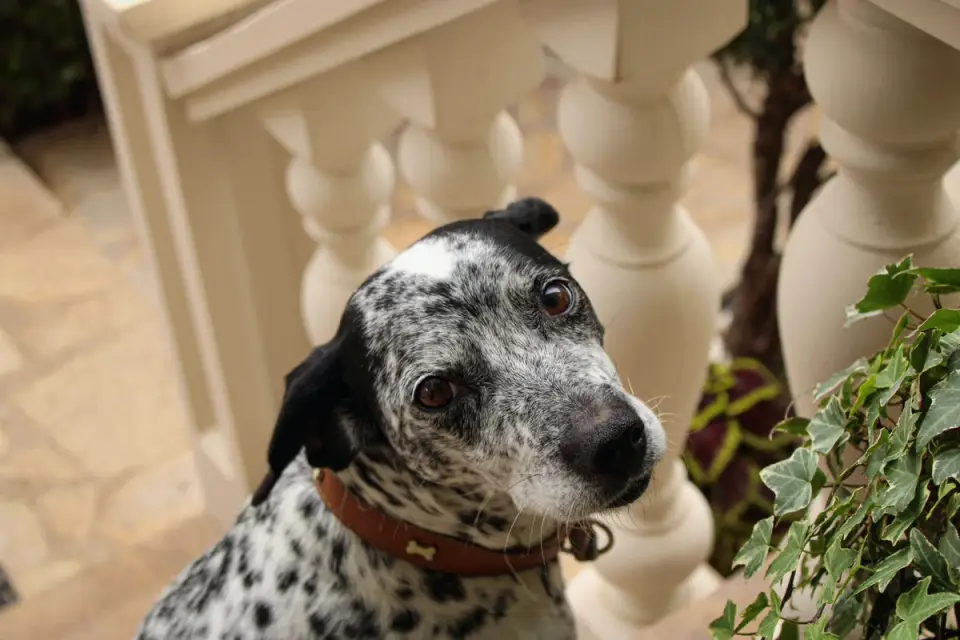
She had tried to help by making things warmer. Her 6-year-old, 24-pound terrier mix had shivered by the back door in January, so she added a thick fleece over his crate, closed the bedroom door, and raised the heat for three nights in a row. By day four the shivering had stopped, but a new pattern replaced it. He panted through the night, left the crate for the hallway floor, and drank twice his usual water. The extra warmth had traded one discomfort for another. She needed a middle path, not more heat.
Check the room, then check the dog
Use this order when you are unsure. It keeps the response calm and practical.
- Look at breathing and posture. Panting at rest points toward warmth. Hunched, tucked, trembling posture points toward chill.
- Feel ears, paws, and belly. Warm and damp suggests he needs cooling. Cool to the touch with shivering suggests he needs gentle warming.
- Read the choice he is making. Moving to tile, shade, or another room is information. Piling into blankets or against you is information.
- Adjust one thing at a time. Add or remove a blanket. Open or close a vent. Move the bed a few feet. Wait 20 to 30 minutes and look again.
- Support water and rest. Keep water close and fresh. Keep the house calm while he settles.
For thick-coated dogs the room reading can be misleading, as explained in How to Keep a Husky Cool at Home During Summer. Cornell University College of Veterinary Medicine advises dry, draft-free bedding and attention to age, coat, and health when judging cold comfort.
The tradeoff I name most often is this: warming a stiff older dog too aggressively can push him into panting and restlessness, while cooling a warm dog too quickly with ice or a cold bath can leave him tense and chilled. My position is to favor small, reversible changes that protect rest and breathing, and to let the dog’s next choice guide you.
He was 14 years old and 38 pounds, lean under a graying coat, with arthritis that made rising slow. By day 10 of a cold snap his owner noticed something confusing. He sought the bathroom tile each afternoon, even while giving small shivers. Warmth did not hold his interest. A soft bed near, but not on, the vent helped maintain comfort, with a thin mat on the tile so his joints could rest cool without losing body heat. The edge case was joint pressure, not temperature alone, shaping where rest felt possible.
When to steady the room and when to call
Most indoor temperature discomfort eases with water, bedding changes, and a quieter room. Keep a simple log for a day or two. Note breathing, location, appetite, thirst, and energy.
Call your veterinarian promptly for heavy or constant panting at rest, pale or bright red or blue-tinged gums, repeated vomiting or diarrhea, stumbling, collapse, or extreme lethargy. Call as well for chill that does not ease with warming, shivering that stops but the dog remains cold and dull, stiff muscles, slow breathing, or confusion. Describe age, health conditions, what you changed, and how long signs have lasted. Comfort-first care means acting early for dogs with less to spare.
Frequently asked questions
What is a comfortable indoor temperature for most dogs?
Most healthy adult dogs rest well between about 68 and 75 degrees, with bedding away from drafts and sun. Age, coat, size, and health shift that range, so watch breathing, posture, and bed choice rather than relying on the thermostat alone.
How can I tell panting from normal cooling down?
Brief panting after play that settles with water and rest is common. Panting at rest, panting that lasts more than 30 minutes indoors, thick drool, or restlessness suggests the room is too warm or something else is wrong. If breathing looks labored or gums look abnormal, contact your veterinarian.
Should I put a sweater on my dog indoors?
A light, breathable layer may help support comfort for a small, short-coated, or senior dog who shivers despite warm bedding. Remove it if panting starts, skin looks damp, or the dog tries to get out from under it. Keep the garment clean and dry.
Sources
- Cold Weather Animal Safety — American Veterinary Medical Association