When Appetite Loss Means It's Time to Call the Vet
Medically reviewed by Roger Clemmons, DVM, PhD, DACVIM (Neurology and Neurosurgery), CVA, CVFT — For general education — not a substitute for veterinary care.
Worry about a dog not eating once it passes 24 hours, or sooner if lethargy, vomiting, or pain shows up alongside it.
On this page
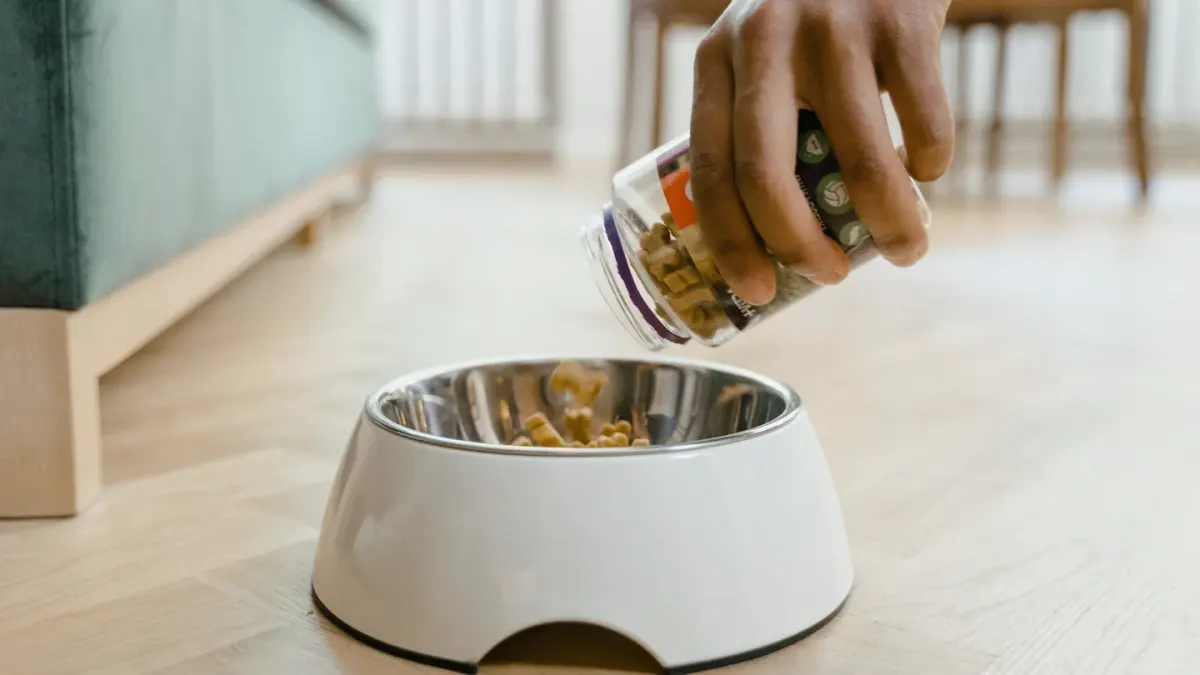
The bowl sat untouched by the back door for the second morning in a row, and the owner on the phone kept circling the same question: was this the flu, or something worse? That call is one of the most common I field, and it rarely has a single answer. Appetite is a blunt instrument — it tells you something is off long before it tells you what.
The gap between “picky” and “sick”
A dog skipping one meal is rarely an emergency. A dog skipping two in a row, especially paired with lethargy, vomiting, or a hunched posture, is a different problem entirely. The nervous system and the gut talk to each other constantly — nausea signals travel up the vagus nerve to the brainstem before a dog ever shows you a symptom you’d recognize. By the time appetite drops, that circuit has already been tripped. I treat the 24-hour mark as the working threshold for otherwise healthy adult dogs: past that, especially with any second sign, the visit stops being optional.
Puppies, senior dogs, and anything with a chronic condition don’t get that same runway. A small-breed puppy can slide into low blood sugar within half a day of not eating. A senior dog with a heart or kidney condition doesn’t have much reserve to spend.
A case that changed how I ask the question
I once worked with a nine-year-old Labrador, sixty-eight pounds, whose owner noticed he’d stopped finishing his evening kibble over about four days — not a dramatic refusal, just leaving a third of the bowl each night. He was still greeting them at the door, still asking for the couch, still drinking normally. It would have been easy to write off as pickiness. What made me push for bloodwork was the stool: soft, pale, greasy-looking for about a week before the appetite change showed up, the kind of stool an owner might mention only if you ask directly. That combination — gradual appetite decline plus fatty, poorly formed stool — is a pattern worth naming out loud to a vet, because it points toward the pancreas and gut rather than a simple “off day.” I don’t share that case as a diagnosis for every finicky eater; I share it because the stool detail is the piece owners most often leave out unless asked.
What’s actually happening when digestion drives the drop
When the pancreas can’t produce enough digestive enzymes, food moves through the gut poorly digested — a condition called exocrine pancreatic insufficiency, or EPI. According to a review published in the Journal of the American Veterinary Medical Association, “EPI is treated by pancreatic enzyme replacement therapy, nutritional management (low-residue diets with moderate fat content), and supplementation of cobalamin.” That’s a mechanical problem before it’s an appetite problem: the dog isn’t refusing food so much as failing to extract anything useful from it, and the resulting malabsorption and gut discomfort suppress the urge to eat. The same review notes that even after enzyme therapy starts, “future studies are needed to further understand the causes of persistent dysbiosis in animals with EPI,” which is a fair way of saying the gut doesn’t always reset just because the enzymes are replaced.
Not every appetite dip is pancreatic, and I don’t want to overstate one mechanism. Gut microbiome disruption is its own separate driver, and it doesn’t always respond the way owners expect. A 2025 study in Frontiers in Veterinary Science looking at probiotic response in dogs found that “diversity metrics did not distinguish non-responders from responders” — meaning a diverse gut microbiome on paper doesn’t guarantee a dog will respond to a given intervention. It’s a useful humility check: don’t assume any single supplement or fix will resolve appetite loss, and don’t delay a vet visit while you wait to find out.
Reading the timeline like an owner, not a lab result
Owners consistently underestimate how much the pattern of eating matters compared to the raw fact of refusal. A dog who eats nothing for six hours after a stressful vet visit is different from a dog who has been grazing less and less over ten days. The acute case is often behavioral or transient — travel, a new food, a hot day. The gradual case is the one I want documented: what day it started, whether treats and table food still get eaten (a dog refusing kibble but taking chicken usually has a palatability or dental issue, not a systemic one), and whether stool, water intake, or energy have shifted alongside it.
I also ask about weight-bearing and food-related diet history most owners wouldn’t think to connect to eating: recent diet changes, especially the kind of gut-friendly additions many households already use. Pumpkin is one of the more common home remedies I hear about, and it earns its reputation honestly — pumpkin fiber is a gentle, natural source of both soluble and insoluble fiber, which can firm loose stool in dogs with mild digestive upset. That’s a reasonable supportive step for a dog with soft stool and a slightly reduced appetite. It is not a substitute for diagnosing why the stool went soft in the first place. If you’re weighing fruit and vegetable additions more broadly, our guides on bananas, blueberries, and sweet potato cover portion and prep the same way I’d want a client to think about them — as supportive, not corrective.
The counterargument I take seriously
The strongest pushback I hear is that most appetite loss resolves on its own, and that rushing every skipped meal into an exam room drives unnecessary cost and stress for dog and owner alike. That’s true, and I don’t dispute it. Most single missed meals in an otherwise normal, active adult dog are noise. Where I part ways with that reasoning is at the intersection of duration and a second symptom — vomiting, diarrhea, lethargy, pain on palpation, or a fatty stool pattern like the Labrador’s. At that intersection, imaging and bloodwork earn their cost quickly, because the alternative is guessing at a pancreatic, gastrointestinal, or systemic problem from the outside. I’d rather order the abdominal ultrasound and be wrong than wait another two days on a dog who’s quietly losing ground.
What a same-day visit actually involves
A vet evaluating appetite loss typically starts with a physical exam and history — the same timeline questions above — before deciding whether bloodwork, fecal testing, or imaging is warranted. For dogs with a pattern suggesting malabsorption, that workup may include cobalamin and folate levels alongside pancreatic markers, since low cobalamin is common enough in EPI cases that supplementation is part of standard treatment per the JAVMA review cited above. None of this requires the owner to diagnose anything in advance. It requires noticing the pattern and reporting it accurately.
Where this leaves you
If your dog has missed one meal and otherwise seems normal, watch and wait through the day. If it’s been 24 hours, or if a missed meal shows up next to vomiting, diarrhea, lethargy, or stool that looks greasy or pale, that’s the visit — don’t wait for a second data point to confirm what the first one already told you. A dog who won’t eat kibble but takes a treat has a different problem than a dog who refuses everything, including food off your plate; note that distinction before you call. And if soft or fatty stool has been part of the picture for several days, mention it even if nobody asks — it’s often the detail that changes the workup. I’ve made the case above for erring toward evaluation rather than a wait-and-see approach once a second sign appears, and I still land there: better one unremarkable exam than a missed pancreatic or systemic problem caught late. For everyday additions like strawberries or pumpkin while you monitor, keep them small and treat them as support, not treatment.
Frequently asked questions
How long can a dog safely go without eating before it's an emergency?
A healthy adult dog can typically go about 24 hours without eating before it warrants a vet visit, but puppies, seniors, and dogs with chronic conditions should be seen sooner — often within a few hours if they also seem lethargic.
What if my dog isn't eating but is still drinking water?
Still drinking is a mildly reassuring sign, but it doesn't rule out pain, nausea, or a digestive problem like EPI. Track how long the appetite loss has lasted and whether stool or energy have changed, and call your vet if it passes 24 hours.
Does greasy or pale stool mean something specific?
Fatty, poorly formed, or pale stool alongside appetite loss can point toward malabsorption issues such as exocrine pancreatic insufficiency, where the pancreas isn't producing enough digestive enzymes. It's worth reporting to your vet even if the appetite change seems mild.
Sources
- EPI treatment and pancreatic enzyme replacement therapy review — Journal of the American Veterinary Medical Association
- Probiotic response and gut microbiome diversity in dogs — Frontiers in Veterinary Science