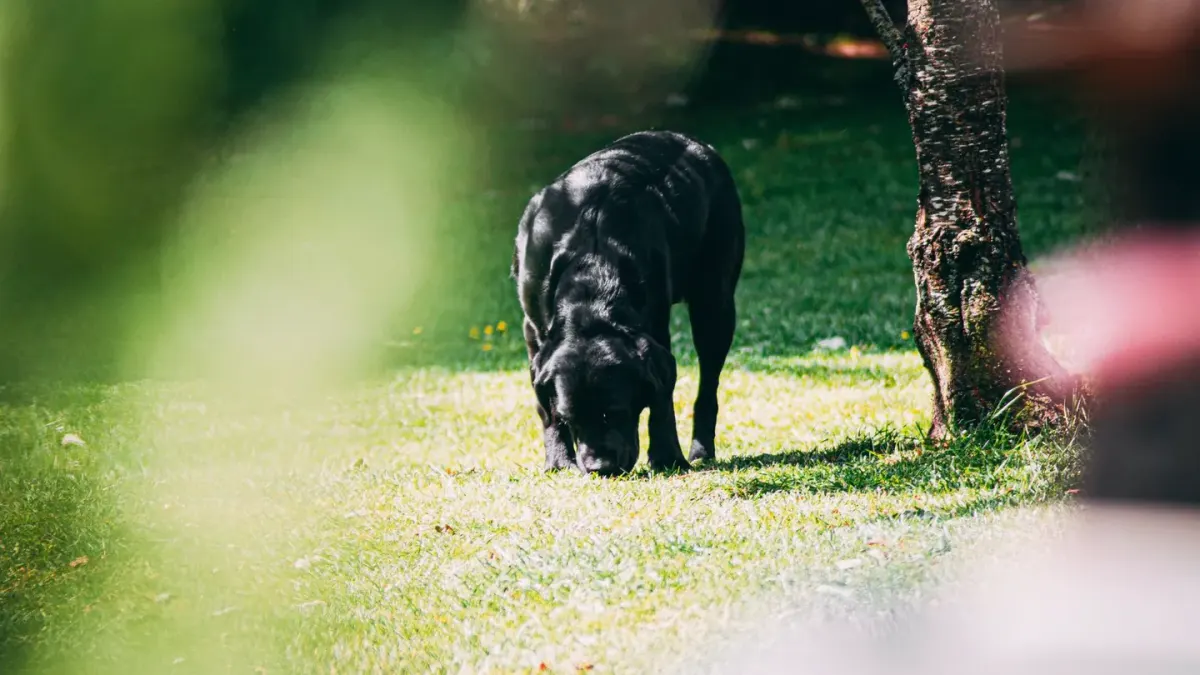
Curtis noticed his 11-year-old spayed Border Collie, Suzi, would eat half her evening bowl in West Covina, walk away, then vomit bile at 5 a.m. He wondered if feeding smaller meals more often would settle her stomach without adding weight.
Vets often see this pattern in seniors, in deep-chested breeds, and in dogs on morning medications. A full day’s calories in one or two large bowls can mean long fasts, acid buildup, and a rush of food that is hard to digest. Dividing the same daily amount is thought to work by shortening fasts and lowering the load per meal, which may help support steadier digestion and comfort.
That mechanism is why the visit matters more than the trend. The goal is not more food. It is the same balanced ration, split with intent.
What Smaller Meals Change Inside
Dogs evolved to gorge, but domestic life rewards routine. A large meal stretches the stomach, triggers acid and enzyme release, then leaves hours of emptiness. For some dogs that cycle brings bilious vomiting, reflux, begging, or a post-meal energy crash.
Splitting the ration into three or four small meals may help support a more even gut transit and hunger curve. It does not change the nutrient profile of a complete diet. It changes timing and volume per stretch signal. The Merck Veterinary Manual notes that maintenance needs depend on life stage, size, activity, and health status, which is why total daily calories must stay anchored while you adjust frequency.
One short test tells you a lot.
Try the new timing for 14 days before you judge it.
Questions That Get You a Usable Plan
Bring a three-day food log with measured cups or grams, treats, table scraps, current weight, and one side-view photo. Then ask in this order.
1. Should my dog keep the same daily calories if we split meals? For most adults, yes. Ask your vet to confirm total kcal per day and how to divide it. General feeding principles from VCA Hospitals emphasize measuring portions and adjusting to body condition, not just following the bag.
2. How many meals, and how far apart? Three meals suits many seniors and sensitive stomachs. Four small meals may fit diabetic schedules, late-night bile vomiters, or dogs on twice-daily drugs that need food. Ask what earliest and latest times keep the overnight fast under 10 to 12 hours.
3. How should portions differ morning to night? Some dogs do best with even splits. Others need a lighter morning and a slightly larger evening meal with a small bedtime snack. If you are still learning measuring basics, review Feeding Basics for First-Time Dog Owners: A Vet’s Four-Check Method before the visit so your log is accurate.
4. Does my dog’s condition change the answer? Ask directly about diabetes, kidney disease, pancreatitis history, reflux, megaesophagus, bloat risk, and cognitive dysfunction that disrupts night sleep. More frequent meals are not right for every diagnosis, and medication timing often decides the schedule.
5. What treats and chews still fit? Treat calories count. Ask for a daily treat cap, usually around 10% of calories, and whether dental chews or training bits should replace part of a meal rather than add to it.
6. What signs mean we go back or call sooner? Ask for weight thresholds, stool and vomit rules, and appetite flags. If appetite fades for more than a day despite smaller meals, use When Appetite Loss Means It’s Time to Call the Vet as your triage guide and call promptly.
7. When do we recheck weight and body condition? Ask for a reweigh date, usually in two to four weeks, plus what to track at home: rib feel, waist tuck, stool score, morning nausea, and evening begging.

How to Run the Two-Week Trial
Keep the diet itself constant for two weeks. Change only frequency and spacing. Feed at the same times each day, measure with a scale or standard cup, and log leftovers within 20 minutes.
Watch mornings first. Less bile vomit, calmer begging, and steadier stool suggest the shorter fast helped. Weight should hold steady. If weight climbs, treats crept in or splits grew. If weight slips, portions were divided but not fully fed.
Mika, a 4-year-old spayed Cockapoo from Elizabeth, offers the other side of the story. Her owner Alvin works late and fed one large dinner at 9 p.m. Mika finished in 90 seconds, then paced and lip-licked. Splitting the same amount into a 7 a.m. breakfast, a 6 p.m. dinner, and a small 9 p.m. snack kept total intake identical but ended the nighttime restlessness within 10 days.
For households with fresh toppers, keep extras plain and small. A spoon of banana or blueberry can work as a training reward inside the treat budget, but ask about sugar and stool response. These explainers on Can Dogs Eat Bananas? A Vet Nutritionist on Portion, Peel, and When to Skip It and Can Dogs Eat Blueberries? A Vet Nutritionist’s Guide to Portions and Pitfalls help you keep toppers from unbalancing the trial.
Ahead, bring the log back and let the scale decide. If comfort improved and condition held, you have your schedule. If not, the notes will show your vet exactly what to adjust next.
Frequently asked questions
Will feeding smaller meals more often help my dog lose weight?
Only if total daily calories drop. Splitting meals alone maintains weight; ask your vet to set a daily kcal target and reweigh in 2 to 4 weeks.
How many small meals should most dogs get?
Many adult dogs do well on two to three measured meals, with three to four short-term for morning bile vomit or medication schedules — confirm timing with your vet.
Sources
- Nutritional Requirements and Related Diseases of Small Animals — Merck Veterinary Manual
- Nutrition - General Feeding Guidelines for Dogs — VCA Hospitals